

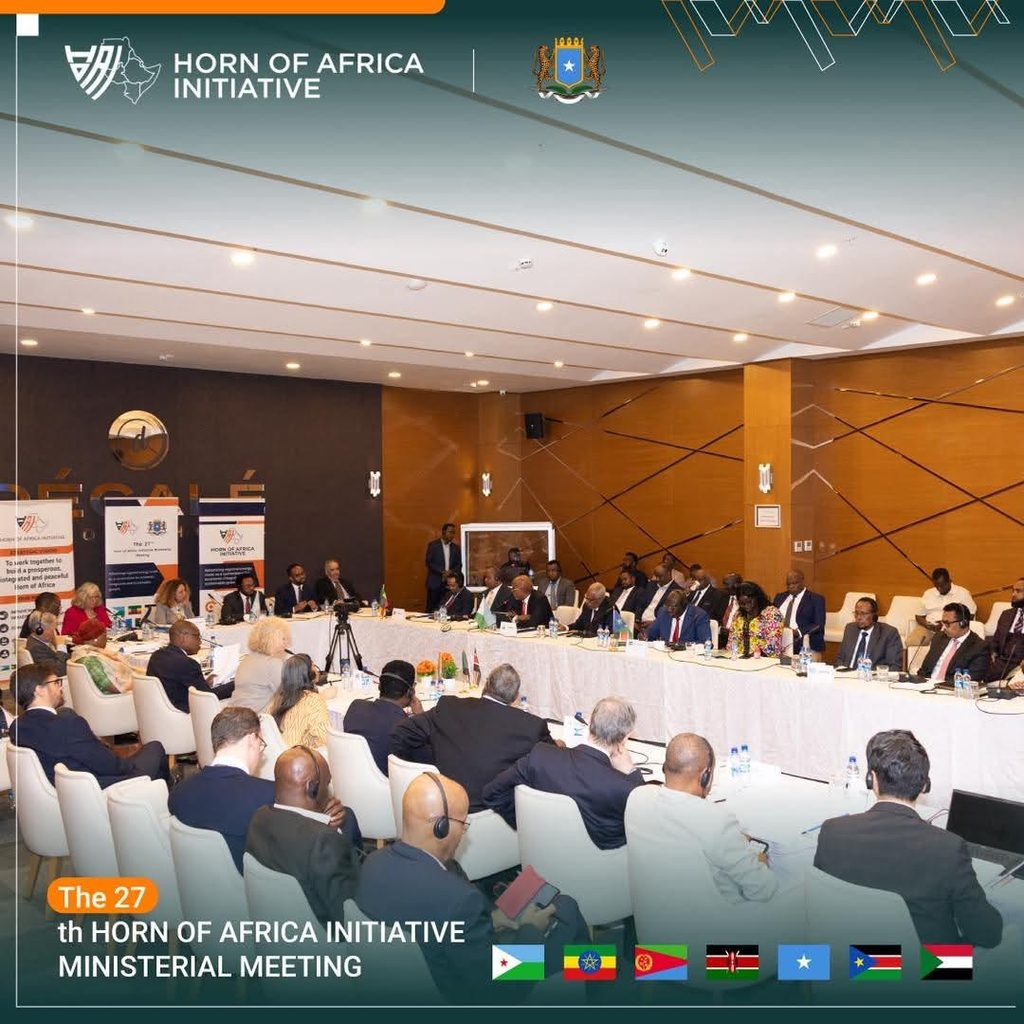
Booking interpreters is important. It is also only one part of planning a multilingual event.
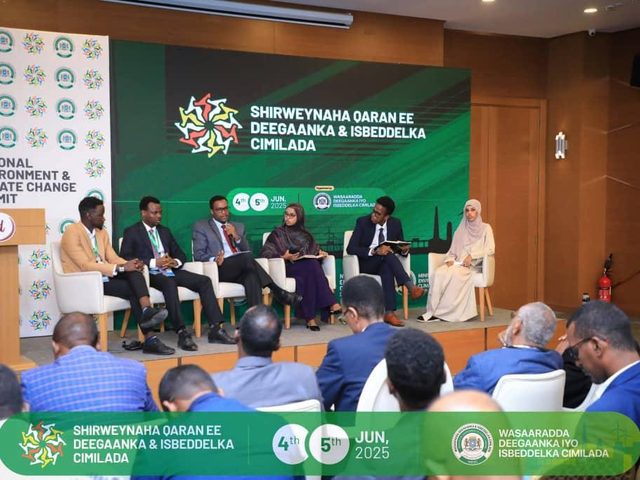
Before the event begins, interpreters need context. Agendas, presentations, names of speakers, technical terms and background documents can make a major difference to the quality of interpretation. Organizers also need to decide whether simultaneous, consecutive, whispered or remote interpretation is the right fit for the meeting.
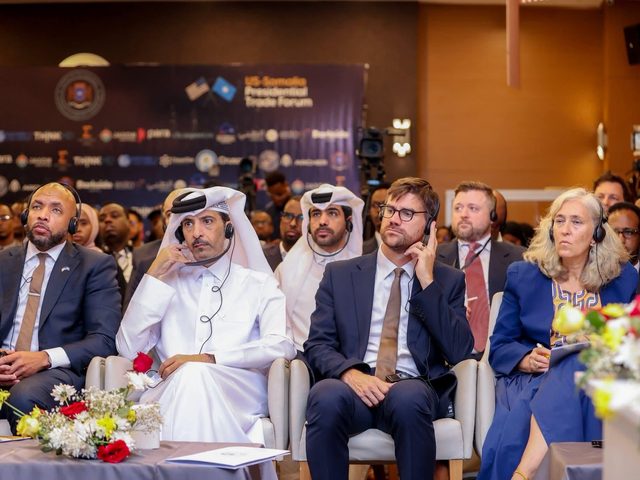
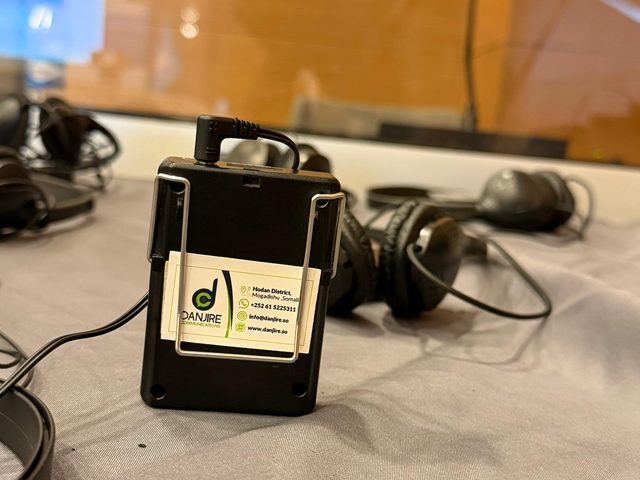
Then there is the equipment. Soundproof booths, interpreter consoles, microphones, receivers, headsets and a reliable sound system all need to work together. If participants cannot hear clearly, even an excellent interpreter cannot deliver the experience the organizer intended.
Danjire Communications provides interpretation services alongside European-standard simultaneous interpretation equipment and trained technical support for multilingual conferences and high-level meetings. Its language services can also support translated documents and localized content before or after the event.
The easiest time to solve language and technical issues is before participants arrive. Bring interpretation into the conference planning process early, share materials in advance and test the equipment. A multilingual event works best when language access is designed into the programme rather than added at the last minute.