

Getting the most out of an interpreter is about more than booking one for the day. A little preparation on the client side goes a long way toward a smooth, accurate session.
1. Share materials in advance
Agendas, slide decks, speaker notes and any technical terms specific to your event help an interpreter prepare vocabulary ahead of time.
2. Brief the interpreter on context
A short call or written brief on the audience, purpose and tone of the event helps the interpreter match register and expectations.
3. Speak at a natural pace
Speakers don’t need to slow down dramatically, but pausing briefly between ideas makes interpretation, especially consecutive interpretation, easier to follow.
4. Confirm the technical setup early
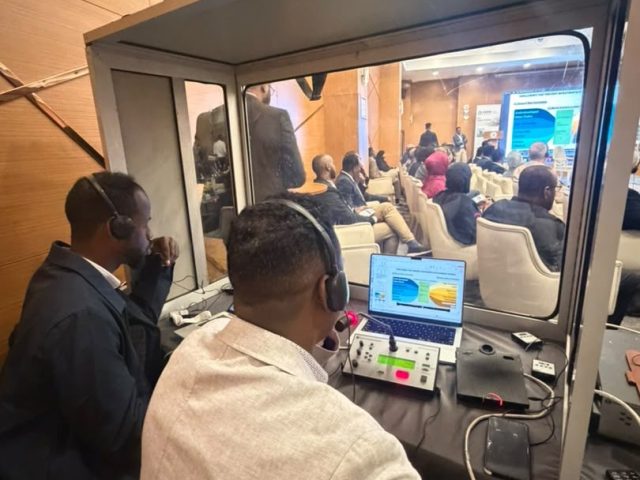
For simultaneous interpretation, test booths, headsets and audio feeds well before the event starts.
5. Debrief afterward
Feedback after the event helps build a stronger working relationship for future engagements.